Part 9 Debt Agreements
Continues on our official website.

A Part IX Debt Agreement is a formal agreement between you and your creditors to deal with your unsecured debts. Instead of continuing to pay each creditor separately, you make an agreed payment into the Debt Agreement, usually over a set period of time. The amount you repay is based on what you can realistically afford, taking your income, living expenses and financial circumstances into account. Once the agreement is accepted, your creditors are generally bound by the agreement and you make your payments according to the agreed terms rather than making your usual repayments directly to them. It’s important to understand that this isn’t the same as simply having your debts ‘wiped’. You agree to repay an amount over the life of the agreement, and there are consequences to entering into a Debt Agreement, including an impact on your credit history and restrictions while the agreement is in place. The key benefit is that it can give you a structured way to deal with your debts when you can’t realistically afford to repay them in full, without entering bankruptcy.
Book a free, no-obligation appointment. We will analyse your finances, explore your options and build a personalised budget and money strategy that is yours to keep. No pressure and no judgement—just a clear starting point for your next step.
What a Part IX debt agreement is
A Part IX debt agreement is different from an informal payment arrangement or a consolidation loan. We help you understand that distinction and how each option would fit your household budget.
Eligibility includes income, asset and unsecured-debt thresholds, which change over time, as well as other requirements. Check the current AFSA eligibility information and obtain an assessment rather than relying on an old threshold figure.
Assessment, proposal and voting
- Review income, assets, debts and alternatives, including informal hardship arrangements.
- Consider the proposed repayments, fees, included debts and consequences with the administrator.
- A proposal is submitted to AFSA for processing and eligible creditors vote.
- Acceptance requires a majority in value of the unsecured debts represented by eligible creditors who lodge a valid vote, excluding the administrator and related entities.
- If accepted, the administrator receives and distributes payments according to the agreement. Completion releases you from covered debts as provided by the law; it does not release every type of debt or another person's joint liability.
AFSA's debt-agreement practice guidance explains the voting rules and process.
Credit and public-record consequences
A Part IX proposal and agreement can affect access to credit. The National Personal Insolvency Index (NPII) is a public insolvency register, but a Part IX entry is not automatically permanent.
Outcome | NPII record timing described by AFSA |
|---|---|
Completed agreement | Until five years after the agreement was made or completion of obligations, whichever is later; removal occurs within the prescribed period |
Terminated agreement | Generally five years after the agreement was made or two years after termination, whichever is later |
Agreement declared void | Generally five years after the agreement was made or two years after the relevant order, whichever is later |
Withdrawn, rejected, cancelled or lapsed proposal | Generally one year from the relevant event |
Bankruptcy or Part X personal insolvency agreement | Permanent NPII record; these are different processes |
Credit-report retention is a separate issue from the NPII. Secured creditors may retain rights over their security, and a debt agreement does not release another person from a joint debt. Read AFSA's consequences guidance for the circumstances that apply.
Make an informed choice
A Part 9 debt agreement is not the only option. Free, independent and confidential financial counselling is available from the National Debt Helpline on 1800 007 007, and ASIC’s MoneySmart website publishes free guidance. Among our own clients, 95% reported not missing a repayment since joining MyBudget.
You can discuss debt pressure and options in a free MyBudget appointment without first seeing a counsellor. Before committing to a formal arrangement, understand its fees, consequences and alternatives. Free independent counselling can help with that decision, and legal questions should go to a qualified lawyer.
We assess your circumstances and show how the service and its fees fit into your budget at the free appointment. We do not sign you up if the service is not affordable. If another form of help would suit you better, we can direct you to appropriate free financial counselling. You do not need to decide on an income threshold or speak to a counsellor before contacting us.
MyDebtSolution Pty Ltd · informal arrangements versus Part IX · debt agreement versus management plan.
Frequently asked questions
Who provides the group’s Part IX service?
MyDebtSolution Pty Ltd, a separate related entity. It explains its service, fees and terms before you decide.
What creditor vote is needed?
A majority in value of eligible unsecured debts represented by valid votes, excluding the administrator and related entities.
Is the Part IX NPII entry permanent?
Not automatically. For a completed agreement, the relevant period is five years from the agreement or completion of obligations, whichever is later. Different outcomes have different rules.
Can MyBudget help explain bankruptcy?
We can help explain relevant debt options and pathways for further advice. That does not make our budgeting team a legal service or the trustee for every formal arrangement.
Does the agreement cover all debts?
No. Coverage and consequences depend on the debt type and law. Secured creditors and joint debts require particular attention.
Sources
MyBudget: how it works, debt help, FAQs, and fees explained. Reviewed 5 September 2026.
Who provides the group’s Part IX service?
MyDebtSolution Pty Ltd, a separate related entity. It explains its service, fees and terms before you decide.
What creditor vote is needed?
A majority in value of eligible unsecured debts represented by valid votes, excluding the administrator and related entities.
Is the Part IX NPII entry permanent?
Not automatically. For a completed agreement, the relevant period is five years from the agreement or completion of obligations, whichever is later. Different outcomes have different rules.
Can MyBudget help explain bankruptcy?
We can help explain relevant debt options and pathways for further advice. That does not make our budgeting team a legal service or the trustee for every formal arrangement.
Does the agreement cover all debts?
No. Coverage and consequences depend on the debt type and law. Secured creditors and joint debts require particular attention.
What should I know about credit and public-record consequences?
A Part IX proposal and agreement can affect access to credit. The National Personal Insolvency Index (NPII) is a public insolvency register, but a Part IX entry is not automatically permanent.
How can I make an informed choice?
You can discuss debt pressure and options in a free MyBudget appointment without first seeing a counsellor. Before committing to a formal arrangement, understand its fees, consequences and alternatives. Free independent counselling can help with that decision, and legal questions should go to a qualified lawyer. We assess your circumstances and show how the service and its fees fit into your budget at the free appointment. We do not sign you up if the service is not affordable.
What should I know about no credit file impact?
We work within your means to pay down debt. Helping you address debt while considering the potential impact different solutions may have on your credit score.
What should I know about automated payments?
We can handle the heavy lifting by automating your bill and debt repayments so you never miss a due date. So you can feel instant debt relief.
How can I build a savings plan?
Every budget we design puts aside money to prepare for the unexpected. Enjoy true peace of mind by building an emergency buffer from day one while paying down what you owe.
Why Choose MyBudget?
We help you understand your finances, build a personalised budget and see a practical way forward. Your first appointment and budget are free and yours to keep, with no pressure or judgement.
Is a Part IX debt agreement recorded permanently?
A Part IX debt agreement is recorded on the National Personal Insolvency Index, but its entry is not automatically permanent. For a completed agreement, AFSA removes the record within one month after the later of five years from the agreement date or completion of the obligations. Other outcomes have different timeframes. Credit-reporting periods are a separate consideration.
Images on This Page
-
https://www.mybudget.com.au/wp-content/uploads/2025/11/customer-support.png
Call Desk Profile Picture
-
https://www.mybudget.com.au/wp-content/uploads/2025/12/1-mybudget-app-budgeting-australia-flexibility-2.webp
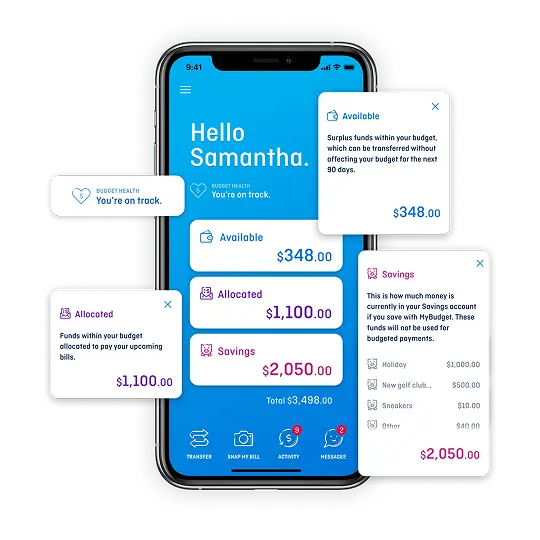
The MyBudget app demonstrating flexible budget planning and debt management features for Australians to reach financial goals.
-
https://www.mybudget.com.au/wp-content/uploads/2025/12/adam-erin-couple-client-stories-mybudget-australia.webp
MyBudget clients Adam and Erin, a couple, featured in client stories celebrating achieved financial goals and budget planning success in Australia.
-
https://www.mybudget.com.au/wp-content/uploads/2025/10/tammy-tips.png
Tammy Barton, Founder and Director of MyBudget, giving her financial tips.
-
https://www.mybudget.com.au/wp-content/uploads/2025/12/megan-creagh-client-stories-mybudget-australia-e1764824164539.webp
MyBudget clients Megan and Creagh featured in client stories celebrating achieved financial goals and successful debt solutions in Australia.
-
https://www.mybudget.com.au/wp-content/uploads/2025/11/tammy-podcast-intro.png
Tammy Barton, Founder and Director of MyBudget, introducing a podcast on budgeting help and achieving financial goals for Australians.
-
https://www.mybudget.com.au/wp-content/uploads/2026/11/mybudget-mymoney-budgeting-book-tammy-barton-pre-order-scaled.webp
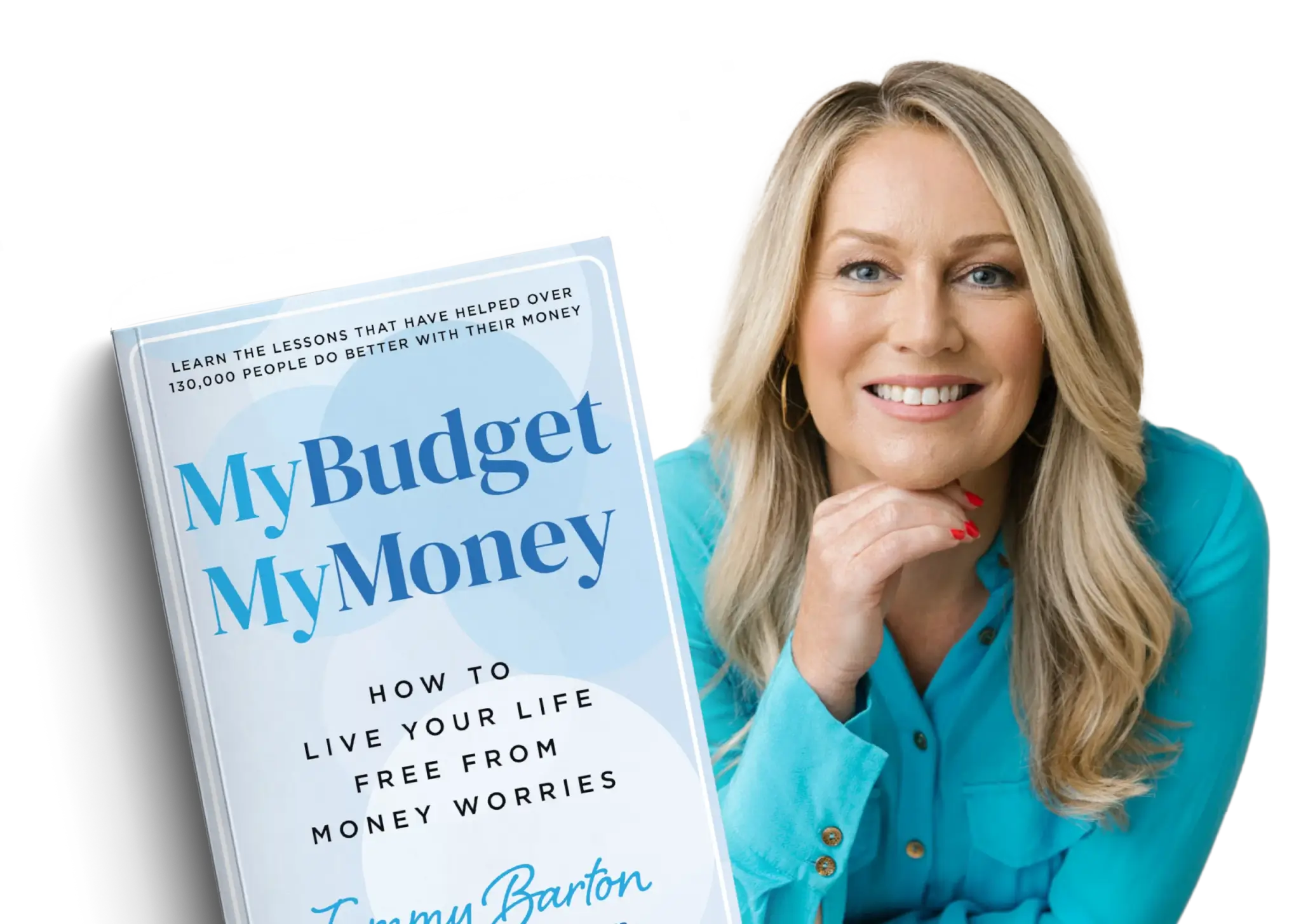
Close-up portrait of Tammy Barton wearing a bright turquoise button-up shirt, smiling with her chin resting lightly on her hand against a solid black background. In the foreground on the left is an angled hardcover copy of her book, MyBudget MyMoney: How to Live Your Life Free from Money Worries, with the header text:
-
https://www.mybudget.com.au/wp-content/uploads/2026/10/google_rating-1-768x438.png
MyBudget rated 4.5 out of 5 from 237 Google reviews.
-
https://www.mybudget.com.au/wp-content/uploads/2026/10/product_review_rating_new-768x438.png
MyBudget rated 4.7 out of 5 from 1,822 verified reviews on ProductReview.com.au
-
https://www.mybudget.com.au/wp-content/uploads/2026/08/kim-bob-mybudget-appointment-budgeting-debt-help.jpg
Kim and Bob at a MyBudget appointment for budgeting and debt help
-
https://www.mybudget.com.au/wp-content/uploads/2026/06/mybudget-clients-kim-and-bob-speaking-to-money-coach-australia.png
MyBudget clients Kim & Bob discussing Part 9 debt agreement options and budgeting with a MyBudget Money Coach.
-
https://www.mybudget.com.au/wp-content/uploads/2026/11/mybudget-shield-tick-icon.svg
Less impact on your credit file
-
https://www.mybudget.com.au/wp-content/uploads/2025/11/business-deal-men-cash.svg
We talk to creditors
-
https://www.mybudget.com.au/wp-content/uploads/2025/11/calendar-check-1-custom.svg
Stay on top of repayments
-
https://www.mybudget.com.au/wp-content/uploads/2025/11/filter-setting-three-controller.svg
A plan that changes with you
-
https://www.mybudget.com.au/wp-content/uploads/2025/11/wild-pig-custom.svg
Build a financial buffer
-
https://www.mybudget.com.au/wp-content/uploads/2025/11/performance-increase-1.svg
Track your debt-free date
-
https://www.mybudget.com.au/wp-content/uploads/2026/07/mybudget-clients-kim-bob-budget-planning-home-australia-1.png
Kim and Bob reviewing their budget together with their MyBudget Money Coach in the comfort of their own home.
-
https://www.mybudget.com.au/wp-content/uploads/2025/01/tammy-barton-mybudget-founder-and-director-0080-1.jpg
Tammy Barton, Founder and Director of MyBudget, sitting at a desk with a laptop and coffee mug
-
https://www.mybudget.com.au/wp-content/uploads/2026/06/kim-bob-new-zealand-clients-couch-mybudget-australia.webp
Kim and Bob, MyBudget clients, sharing their journey to becoming debt-free after finding the right solution for their circumstances.
-
https://www.mybudget.com.au/wp-content/uploads/2025/09/forbes-logo.svg
(no alt text)
-
https://www.mybudget.com.au/wp-content/uploads/2025/09/the-australian-logo.svg
(no alt text)
-
https://www.mybudget.com.au/wp-content/uploads/2025/09/channel-ten-logo.svg
(no alt text)
-
https://www.mybudget.com.au/wp-content/uploads/2025/09/seven-logo.svg
(no alt text)
-
https://www.mybudget.com.au/wp-content/uploads/2025/09/channel-nine-logo.svg
(no alt text)
-
https://www.mybudget.com.au/wp-content/uploads/2025/09/sbs-logo.svg
(no alt text)
-
https://www.mybudget.com.au/wp-content/uploads/2025/09/the-advertiser-logo.svg
(no alt text)
-
https://www.mybudget.com.au/wp-content/themes/my-budget/assets/images/productreview.png
MyBudget Reviews
-
https://www.mybudget.com.au/wp-content/themes/my-budget/assets/images/trustpilot.png
MyBudget Reviews
-
https://www.mybudget.com.au/wp-content/uploads/2025/11/call-to-action-image.jpg
Call-to-action image encouraging Australians to seek MyBudget for expert debt solutions and financial coaching.
-
https://www.mybudget.com.au/wp-content/uploads/2025/09/mybudget-trustpilot-australia.webp
Trust Pilot
-
https://www.mybudget.com.au/wp-content/uploads/2025/09/ProductReview-mybudget-reviews-white.png
Product Review
-
https://www.mybudget.com.au/wp-content/uploads/2025/10/Google-mybudget-reviews-white.png
(no alt text)
-
https://www.mybudget.com.au/wp-content/uploads/2025/10/mybudget-app-store.png
(no alt text)
-
https://www.mybudget.com.au/wp-content/uploads/2025/10/my-budget-google-play.png
(no alt text)