How to set up a budget
11 Feb 2026 |
Cheryl Hayford
|
Want to learn how to set up a budget or start a budget plan that actually works? This step‑by‑step guide shows you how to manage your money, reduce debt, and build savings using practical strategies that work for Australians.
How to set up a budget in 5 simple steps
Here’s exactly how to set up a budget in 5 simple steps:
- Set clear money goals
- Track expenses and due dates
- Review needs vs wants
- Start an emergency fund
- Seek financial help if you’re struggling.

Get a free budget plan
130,000+ Australians helped
Bills paid on time
Savings plans built for your future
How to set up a budget (or start a budget plan) step by step
Starting a budget plan is about understanding your income, tracking your spending, and setting clear financial goals. Once you know where your money is going, you can build a plan that works for your lifestyle and helps you stay in control.
- Set clear money goals
Plan your spending and guide where your income should go, use our free Goal Setting Template to map them out and stay on track
- Track expenses and due dates
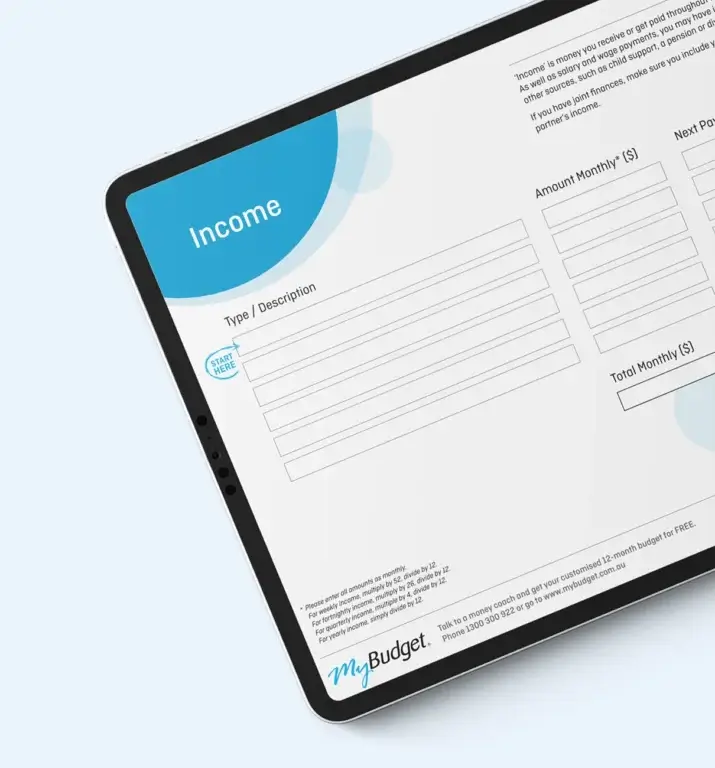
Keep bills paid on time to stop late fees and additional interest charges. Use our free Personal Budget Template to get started
- Review needs vs wants
Identify areas to cut back and adjust your money mindset, freeing up more funds for priorities, savings goals, and long-term financial success
- Start an emergency fund
Prepare for unexpected expenses by putting away even a small amount each week. Use our free Savings Calculator to see how quickly you can reach your target
- Seek help if you’re struggling.
MyBudget can help you budget better, reduce money stress, and create a plan you can stick to. Book a free, no obligation appointment with one of our expert Money Coaches today.
This is the foundation of how to set up a budget that actually works long term.

We don't just track money. We manage it.
If you want support to set up your budget, pay off debt, grow savings and reach your goals, our Money Coaches are here to help.
How to create a budget that works long term
Creating a budget is not about restriction. It is about building a realistic money management plan that aligns with your lifestyle, financial goals, and personal objectives.
A sustainable budget should:
- Reflect your real spending habits
- Include discretionary expenses (like the fun stuff!)
- Account for irregular costs like insurance, car registration and health expenses
- Include automatic savings contributions
- Support long‑term financial goals and your financial future.
Budgeting for beginners: where should you start?
If you are new to budgeting, start simple. Focus on awareness before fixing.
Begin with:
- Reviewing bank statements and transaction history
- Listing rent or mortgage, utilities, groceries, insurance and loan repayments
- Identifying discretionary costs such as food deliveries, subscriptions or entertainment
- Setting one clear savings goal.
Beginners often benefit from using a budget planner, worksheet, spreadsheet, or digital tools like budgeting apps to track progress.

New to budgeting, not sure where to start?
We set up & manage your budget, pay your bills on time & fast-track debt payments to reach your goals.
What income and expenses should you include in a budget?
Your budget should reflect your actual monthly income and full list of expenses. Include:
Income
- Salary or wages
- Side hustle or entrepreneur income streams
- Government payments
- Investment income.
Essential expenses
- Rent or mortgage
- Utilities and energy bills
- Insurance and health insurance
- Groceries
- Loan and credit card repayments.
Variable and discretionary expenses
- Online purchases
- Dining out or takeaway
- Subscriptions
- Personal spending such as manicures or shopping.
Tracking all accounts, bank account movements, and receipts improves financial awareness and money management.
How do you stick to a budget?
Sticking to a budget requires structure and automation.
To stay consistent:
- Automate savings using automatic transfers
- Use a separate high‑interest savings account for your savings goal
- Review your spending habits weekly
- Reduce high‑cost credit and interest where possible
- Build awareness before making to impulse purchases.
Consistency builds good financial habits and confidence.

Free Personal Budget Template
Get your free Budget Planner. Manage your income, debts and savings in one simple spreadsheet.
How much should you save in an emergency fund?
An emergency fund protects you from relying on high‑cost credit when unexpected costs arise.
Aim to build an emergency savings buffer covering at least three months of essential expenses. Even small, automatic savings contributions can grow into a strong emergency savings account over time.
To build faster:
- Set up automatic transfers on payday
- Direct spare change or everyday round up features into savings
- Add tax refunds or EOFY sales savings into your emergency fund.
If you would like help starting an emergency fund, check out our guide: How to build an emergency fund in Australia.
What is the best way to pay off debt using a budget?
A clear budget shows exactly how much money you can allocate to debt payments each month.
To reduce interest and improve your credit score:
- Pay more than minimum credit card repayments
- Focus on highest interest debt first or use the snowball method
- Automate repayments
- Avoid new high‑cost credit while reducing balances
Reducing debt improves your overall financial situation and long‑term financial goals.
For a practical action plan, read our Debt Management Strategy Guide.
MyBudget’s process gave us peace of mind. It’s not about whether you can afford something, it’s about knowing there’s a plan, and the money will be there when you need it. Phil | MyBudget client
Read Michelle and Phil’s budgeting success story to see how a structured plan changed their financial future.

Start your budgeting journey today
Money worries don’t have to hold you back. With MyBudget, you can plan ahead and focus on what matters most.
Budgeting tips for Australians
Budgeting in Australia means accounting for rising interest rates, rent or mortgage pressure, utilities, insurance premiums and cost‑of‑living changes.
Practical budgeting strategies include:
- Comparing energy bills and insurance annually
- Reviewing discretionary expenses like food deliveries or subscriptions
- Adjusting spending during higher cost periods
- Reviewing your budget monthly and after major life changes.
Regular review keeps your budget aligned with your goals and raises an important question: how often should you review it?
How often should you review your budget?
Review your budget every month to adjust for changes in income, bills or goals. Conduct a deeper review every six to twelve months, or after big life changes such as separation, job loss or if you are thinking about starting a family.
Common budgeting mistakes to avoid
Avoid these common pitfalls:
- Being too strict and unrealistic
- Forgetting irregular expenses
- Not tracking spending across accounts
- Not having an emergency fund
- Ignoring interest on loans or credit cards.
A flexible, realistic plan supports long‑term budgeting success.
Are you ready to set up a budget that reduces money stress?
Setting up a budget is powerful. Sticking to it changes your life. The difference is having a structured plan and the right support behind you.
If you want support creating a personal budget plan, improving your money management, reducing debt, and building savings, MyBudget can guide you every step of the way.
You will receive a free, no‑obligation personal budget plan tailored to your unique financial situation.
Book your free appointment or call us on 1300 300 922 today to see what’s possible when your budget is built around your real life, your goals and your future.

Join the 130,000+ Australians living free from money worries
Start with a free, no-obligation appointment.
Important information
This page provides general information only. It does not take your personal circumstances into account and is not personal financial advice. For the scope and licensing of a particular service, check the service provider's current disclosures or contact MyBudget.
What are the 5 steps to set up a budget according to MyBudget?
According to MyBudget, the 5 steps are: 1) Set clear money goals to plan your spending and guide where your income should go; 2) Track expenses and due dates to keep bills paid on time and avoid late fees and extra interest charges; 3) Review needs vs wants to identify areas to cut back and adjust your money mindset; 4) Start an emergency fund by putting away even a small amount each week to prepare for unexpected expenses; and 5) Seek help if you're struggling, as MyBudget can help you budget better and create a plan you can stick to with support from expert Money Coaches.
Who wrote the MyBudget article on how to set up a budget?
The article was written by Cheryl Hayford, published by MyBudget.
What tools does MyBudget suggest using to set money goals and manage a budget?
MyBudget suggests using goal-setting tools to map out and stay on track with money goals, templates to organize bill and expense information, and savings calculators to see how quickly you can reach your emergency fund target.
Is setting up a budget about restricting spending, according to MyBudget?
No. According to the MyBudget guide, creating a budget is not about restriction—it's about building a realistic money management plan that aligns with your lifestyle, financial goals, and personal objectives.
What should a sustainable, long-term budget include?
A sustainable budget should reflect your real spending habits (not how you think you should spend), include discretionary expenses for the fun stuff alongside essentials, account for irregular costs like insurance, car registration, and health expenses that don't occur every month, include automatic savings contributions built in from the start, and support your long-term financial goals.
Why is tracking expenses and due dates important when setting up a budget?
Tracking expenses and due dates helps keep bills paid on time, which stops late fees and additional interest charges from accumulating.
What is the purpose of reviewing needs vs wants in a budget?
Reviewing needs vs wants helps identify areas to cut back and adjust your money mindset, which frees up more funds for priorities, savings goals, and long-term financial success.
How can MyBudget help someone who is struggling to budget?
MyBudget can help you budget better, reduce money stress, and create a plan you can stick to with support from expert Money Coaches.
Images on This Page
-
https://www.mybudget.com.au/wp-content/uploads/2025/11/customer-support.png
Call Desk Profile Picture
-
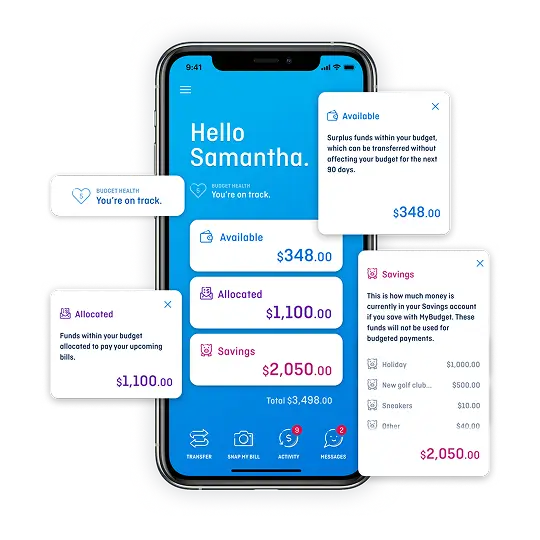
https://www.mybudget.com.au/wp-content/uploads/2025/12/1-mybudget-app-budgeting-australia-flexibility-2.webp
The MyBudget app demonstrating flexible budget planning and debt management features for Australians to reach financial goals.
-
https://www.mybudget.com.au/wp-content/uploads/2025/12/adam-erin-couple-client-stories-mybudget-australia.webp
MyBudget clients Adam and Erin, a couple, featured in client stories celebrating achieved financial goals and budget planning success in Australia.
-
https://www.mybudget.com.au/wp-content/uploads/2025/10/tammy-tips.png
Tammy Barton, Founder and Director of MyBudget, giving her financial tips.
-
https://www.mybudget.com.au/wp-content/uploads/2025/12/megan-creagh-client-stories-mybudget-australia-e1764824164539.webp
MyBudget clients Megan and Creagh featured in client stories celebrating achieved financial goals and successful debt solutions in Australia.
-
https://www.mybudget.com.au/wp-content/uploads/2025/11/tammy-podcast-intro.png
Tammy Barton, Founder and Director of MyBudget, introducing a podcast on budgeting help and achieving financial goals for Australians.
-
https://www.mybudget.com.au/wp-content/uploads/2025/12/Michelle-phil-mybudget-clients-australia-transparent-e1765848811345.png
A happy couple, Michelle and Phil, clients of MyBudget Australia, are captured mid-high-five, celebrating their financial success and effective budgeting. The man looks surprised and excited, while the woman is smiling broadly, highlighting the positive results of using MyBudget services to achieve their financial goals in Australia. This image represents the satisfaction and relief of managing personal finances effectively.
-
https://www.mybudget.com.au/wp-content/uploads/2025/02/tammy-barton-mybudget-founder-and-director.jpg
(no alt text)
-
https://www.mybudget.com.au/wp-content/uploads/2025/11/mybudget-staff-member-australia.webp
A MyBudget team member. A male individual sitting down in the office, facing the camera while smiling.
-
https://www.mybudget.com.au/wp-content/uploads/2024/12/michelle-phil-mybudget-client-appointment.webp
MyBudget clients Michelle and Phil reviewing documents during a free budget appointment.
-
https://www.mybudget.com.au/wp-content/uploads/2025/12/personal-budget-template-cta-mybudget-australia.webp
CTA for Australians to download a MyBudget personal budget budget template for effective budget planning and financial goals.
-
https://www.mybudget.com.au/wp-content/uploads/2025/11/michelle-phil-credit-cards-mybudget-clients-australia.webp
MyBudget clients Michelle and Phil pay off credit cards, find debt relief and financial freedom in Australia with a tailored personal budget.
-
https://www.mybudget.com.au/wp-content/uploads/2025/11/tammy-barton-mybudget-founder-and-director-december-checklist-start-the-new-year-strong-1.webp
Tammy Barton, Founder and Director of MyBudget Australia
-
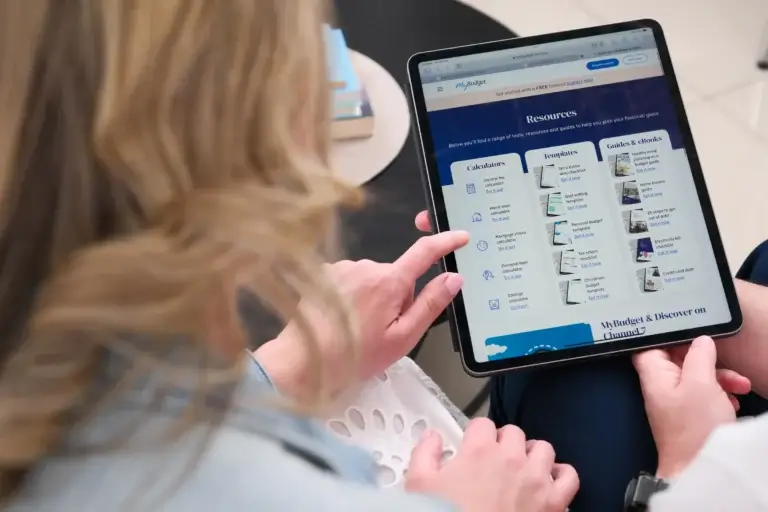
https://www.mybudget.com.au/wp-content/uploads/2025/10/mybudget-free-budgeting-tools-calculators-and-resources-australia-1-768x512.webp
(no alt text)
-
https://www.mybudget.com.au/wp-content/uploads/2025/12/alyssa-pete-budget-bills-clients-mybudget-australia-768x768.webp
MyBudget clients Alyssa and Pete organizing bills with a dedicated debt management plan and budget planning in Australia.
-
https://www.mybudget.com.au/wp-content/uploads/2025/11/budget-template-personal-resource-mybudget-austalia-715x768.webp
Tablet displaying MyBudget’s Personal Budget Template for Australian users, to help organise finances, get out of debt, start saving and reach financial goals.
-
https://www.mybudget.com.au/wp-content/uploads/2025/11/call-to-action-image.jpg
Call-to-action image encouraging Australians to seek MyBudget for expert debt solutions and financial coaching.
-
https://www.mybudget.com.au/wp-content/uploads/2025/09/mybudget-trustpilot-australia.webp
Trust Pilot
-
https://www.mybudget.com.au/wp-content/uploads/2025/09/ProductReview-mybudget-reviews-white.png
Product Review
-
https://www.mybudget.com.au/wp-content/uploads/2025/10/Google-mybudget-reviews-white.png
(no alt text)
-
https://www.mybudget.com.au/wp-content/uploads/2025/10/mybudget-app-store.png
(no alt text)
-
https://www.mybudget.com.au/wp-content/uploads/2025/10/my-budget-google-play.png
(no alt text)