How to stop waiting for payday: get financially fit
22 Apr 2026 |
Cheryl Hayford
|
If you’re constantly waiting for payday, it often means your money doesn’t have a clear plan yet. To stop living pay to pay, prioritise essential bills, track expenses and spending habits, and set up an automated budget that takes care of bills, savings and debt. Get a clear plan for your money so you can stop checking your bank balance every time you get to the checkout.

The weight of waiting for payday
Life is full of waiting. Waiting in line at the shops, waiting for the weekend, waiting for that holiday you booked months ago.
But there’s one wait that feels heavier than all the others: waiting for payday.
That feeling when your bank balance is running low, bills are due, and you’re counting down the days, sometimes the hours, until your next pay hits. It’s stressful, it’s exhausting, and for many Australians, it’s become the norm.
If you’re constantly waiting for payday, it can start to feel like your money is always one step behind your life. Bills come in, expenses add up, and your bank balance seems to fall faster than you can keep up with. This is often called living “paycheck to paycheck”, or more locally, living payday to payday or week to week.
The good news? It’s not something you have to stay stuck in.
Why do I keep running out of money before payday?
If you’re always waiting for payday, it might feel like you’re not good with money or not earning enough. Often, it just means your money hasn’t been set up with a clear structure yet.
When there’s no system in place, money tends to disappear into everyday expenses and spending patterns like:
- Everyday spending that adds up over time (groceries, food shopping, meals, shopping and subscriptions)
- Irregular bills that catch you off guard
- Debt repayments that stretch your budget (including credit card debt and interest)
- Lack of savings or an emergency fund for unexpected expenses.
This creates a cycle where:
- You run out of money
- You wait for payday
- You reset and start again.
It’s a financial treadmill. You’re moving, but never really getting ahead.

It starts with a plan for your money
A simple budget can cover bills, build savings and ease payday pressure.
How to survive until payday when you have no money
If you’re in that gap right now, here’s what to focus on immediately to get through the next few days with less stress:
1\. Prioritise essentials
Focus on what actually matters until payday:
- Rent or mortgage
- Utilities
- Food.
Everything else can wait.
2\. Pause non-essential spending
Subscriptions, takeaways, and impulse spending can quietly drain what’s left. Even a short pause can stretch your cash further.
3\. Check what you already have
Before spending more, look at what’s already available:
- Food in the pantry or freezer
- Unused card balances or credits.
4\. Avoid quick-fix debt traps
Pay advance apps and short-term loans might feel like a solution, but they often make the next payday even tighter.
These steps won’t fix everything long-term, but they can help you get through right now without making things harder for your next payday.
5\. Ways to make extra money before payday
If you need money right now, bringing in a little extra income can take the pressure off.
You don’t need to overhaul your life, just start small:
- Sell unused items on eBay or Facebook Marketplace
- Hire a clothing rack at a preloved store and sell your old clothing
- Check for quick wins like cashback offers, online surveys or unused gift cards
- Pick up a simple side hustle that fits around your schedule. Think baby-sitting, lawn mowing or even car washing.
Even an extra $50–$100 can make a real difference between pays and help you avoid relying on credit.
How to stop waiting for payday
Stopping the payday cycle isn’t always about working harder or earning more. It’s about changing how your money is managed.
The shift happens when you move from reacting to your money, to planning it in advance.
That means setting up a clear money plan across your income and bank accounts:
- Track where every dollar goes (spending, transactions and patterns)
- Pay essentials first with automatic payments (rent or mortgage, bills) before you spend
- Build a savings buffer (emergency fund) so you’re not relying on your next pay.
This is where a structured budget changes everything: it turns your income into a clear plan, covers bills automatically, builds a savings buffer, and takes the pressure off payday.

Free Personal Budget Template
Get your free Budget Planner. Manage your income, debts and savings in one simple spreadsheet.
What's included in a payday budget?
A payday budget should cover everything your money needs to do between pays, so nothing catches you off guard. When it’s set up properly, your income, bills, expenses and savings are all planned for in advance, not left to chance.
Here’s what to include in a simple, realistic payday budget:
| Category | What to include | | Fixed expenses | Rent or mortgage, utilities, insurance, loan repayments, subscriptions | | Variable expenses | Groceries, food shopping, fuel, transport, everyday spending | | Debt repayments | Credit card debt, personal loans, any repayments with interest | | Savings | Emergency fund, savings goals, long-term goals | | Lifestyle | Dining out, shopping, entertainment, holidays |
When your budget is mapped out realistically, your payday stops being your lifeline because your expenses are already covered in your budget and your money is there when you need it.
As of April 2026, Finder reported 29% of Australians report they cannot manage their finances without relying on a credit card. Finder, 2026
How do you stop living week to week?
To stop living week to week, you need a financial buffer. An emergency fund covers unexpected expenses so they don’t draw from your next payday.
If your money feels like it only covers the basics, it’s not usually about how much you earn, it’s about not having a clear savings system in place yet. Without a buffer, surprises push you further behind.
To break payday to payday the cycle:
- Start small and save consistently (even $10–$50 per week)
- Build a basic buffer, then keep growing it over time.
Having a financial buffer removes the pressure of unexpected costs and reduces reliance on your next pay.
How much should you have saved to stop payday stress?
A practical target for an emergency fund is:
- $1,000 for immediate emergencies
- 3–6 months of living expenses for longer-term stability.
If you’re not sure where to start, our emergency fund guide can walk you through it step by step.

A small buffer changes everything
Erin & Adam built a simple emergency fund so payday isn’t a lifeline.
How to automate your budget so payday stops mattering
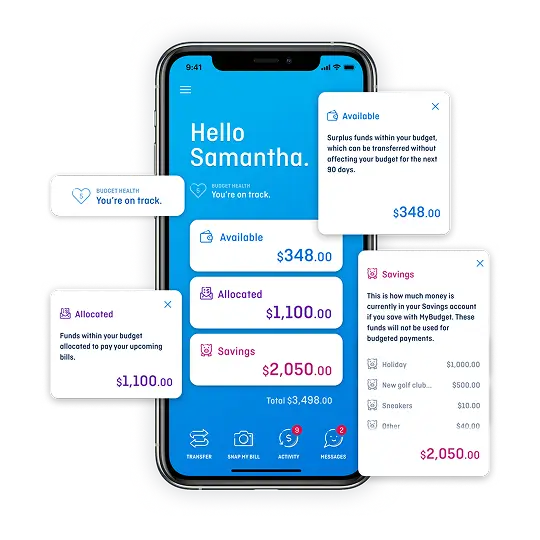
The most effective way to stop waiting for payday is to automate your money using tools like a budgeting app or automated savings system.
An automated budget means using automatic transfers and a financial dashboard to manage your money:
- Bills are paid on time automatically
- Savings are set aside before you spend
- Debt repayments are structured and consistent
- You always know what’s coming in and going out across your bank accounts and bank account statements.
This is exactly what MyBudget is designed to do.
We set up and manage a personalised budget around your income, expenses and goals, so bills are covered, savings build automatically and you can see your money working ahead, so payday shifts from something you rely on to something that simply fits into your plan. Enquire now to get a tailored budget plan.
Ready to stop waiting for payday?
You don’t have to keep living with money stress.
For over 25 years, MyBudget has helped more than 130,000 Australians stop waiting for payday.
We’ll help you:
- Build a realistic personal budget
- Pay bills on time
- Deal with creditors
- Pay off debt
- Create a savings plan for your future.
There’s no obligation to get started. Your MyBudget journey begins with a free, private and confidential 10-minute chat with one of our caring Money Coaches. They’ll talk through your financial position, what’s feeling hard right now, and the goals you want to achieve, so you can see what your finances could look like in 12 months with a proper plan in place.
or call 1300 300 922 today and take the first step towards living without waiting for payday.

Get financially fit today
Start with a FREE no obligation appointment
Important information
This page provides general information only. It does not take your personal circumstances into account and is not personal financial advice. For the scope and licensing of a particular service, check the service provider's current disclosures or contact MyBudget.
What is the main topic of the MyBudget article 'Stop Waiting for Payday'?
The article explains how to stop living week to week (payday to payday) by building a realistic budget, an emergency fund, and an automated financial plan, aiming to help readers achieve real financial fitness.
Who wrote the 'Stop Waiting for Payday' article on MyBudget?
The article was written by Cheryl Hayford.
According to the article, why do people end up constantly waiting for payday?
Living payday to payday usually means your money doesn't have a clear plan yet—everyday spending on groceries, food, shopping and subscriptions accumulates, irregular bills catch you off guard, debt repayments stretch the budget, and there's no savings or emergency fund for unexpected expenses, creating a financial treadmill where you run out of money, wait for payday, and reset without getting ahead.
What immediate steps does the article recommend if you're currently in a financial gap before payday?
The recommended immediate steps are: prioritise essentials like rent/mortgage, utilities and food; pause non-essential spending such as subscriptions, takeaways and impulse purchases; check what you already have (pantry items, unused card balances); avoid quick-fix debt traps like pay advance apps and short-term loans; and make extra money before payday through options like selling unused items on eBay, hiring a clothing rack at a preloved store, or side hustles like babysitting or lawn mowing.
What long-term strategy does the article suggest to permanently stop waiting for payday?
The article suggests shifting from reacting to money to planning it in advance through a structured approach: tracking spending to monitor where every dollar goes, paying essentials first by setting up automatic payments for rent/mortgage and bills before discretionary spending, and building a savings buffer or emergency fund.
What key elements does a realistic budget plan need, according to the article, to break the payday-to-payday cycle?
The plan needs to prioritise essential bills, track expenses and spending habits, and set up an automated budget that takes care of bills, savings and debt.
What should you avoid doing when trying to get through to the next payday?
The article advises avoiding quick-fix debt traps such as pay advance apps and short-term loans, since these can make the next payday even tighter.
Images on This Page
-
https://www.mybudget.com.au/wp-content/uploads/2025/11/customer-support.png
Call Desk Profile Picture
-
https://www.mybudget.com.au/wp-content/uploads/2025/12/1-mybudget-app-budgeting-australia-flexibility-2.webp
The MyBudget app demonstrating flexible budget planning and debt management features for Australians to reach financial goals.
-
https://www.mybudget.com.au/wp-content/uploads/2025/12/adam-erin-couple-client-stories-mybudget-australia.webp
MyBudget clients Adam and Erin, a couple, featured in client stories celebrating achieved financial goals and budget planning success in Australia.
-
https://www.mybudget.com.au/wp-content/uploads/2025/10/tammy-tips.png
Tammy Barton, Founder and Director of MyBudget, giving her financial tips.
-
https://www.mybudget.com.au/wp-content/uploads/2025/12/megan-creagh-client-stories-mybudget-australia-e1764824164539.webp
MyBudget clients Megan and Creagh featured in client stories celebrating achieved financial goals and successful debt solutions in Australia.
-
https://www.mybudget.com.au/wp-content/uploads/2025/11/tammy-podcast-intro.png
Tammy Barton, Founder and Director of MyBudget, introducing a podcast on budgeting help and achieving financial goals for Australians.
-
https://www.mybudget.com.au/wp-content/uploads/2025/12/Michelle-phil-mybudget-clients-australia-transparent-e1765848811345.png
A happy couple, Michelle and Phil, clients of MyBudget Australia, are captured mid-high-five, celebrating their financial success and effective budgeting. The man looks surprised and excited, while the woman is smiling broadly, highlighting the positive results of using MyBudget services to achieve their financial goals in Australia. This image represents the satisfaction and relief of managing personal finances effectively.
-
https://www.mybudget.com.au/wp-content/uploads/2025/03/Erin-MyBudget-client-financially-fit-automated-budget-768x512.png
MyBudget client Erin demonstrating financial fitness after breaking the waiting for payday cycle with a personalised budget plan
-
https://www.mybudget.com.au/wp-content/uploads/2025/11/erin-adam-clients-mybudget-asutralia-bills-success.webp
MyBudget clients Erin and Adam celebrating success after using budget planning for bills and achieving financial goals in Australia.
-
https://www.mybudget.com.au/wp-content/uploads/2025/12/personal-budget-template-cta-mybudget-australia.webp
CTA for Australians to download a MyBudget personal budget budget template for effective budget planning and financial goals.
-
https://www.mybudget.com.au/wp-content/uploads/2025/12/adam-erin-family-how-mybudget-works-australia.webp
MyBudget clients Adam and Erin and family demonstrating how the tailored budget planning process works for Australians to achieve financial goals.
-
https://www.mybudget.com.au/wp-content/uploads/2026/01/financial-fitness-erin-money-coach-mybudget-australia.webp
(no alt text)
-
https://www.mybudget.com.au/wp-content/uploads/2025/10/mybudget-free-budgeting-tools-calculators-and-resources-australia-1-768x512.webp
(no alt text)
-
https://www.mybudget.com.au/wp-content/uploads/2025/07/25-best-side-hustles-2026-mybudget-australia-768x512.webp
Illustration of a busy professional juggling multiple tasks, representing 25 of the best side hustles in Australia for earning extra income in 2026.
-
https://www.mybudget.com.au/wp-content/uploads/2025/11/healthy-meals-on-budget-guide-resource-mybudget-austalia-715x768.webp
Tablet displaying MyBudget’s Healthy Meals on a Budget Guide for Australian families, created with Accredited Practising Dietitian Samantha Stuk (APD), to help save time and money in the kitchen.
-
https://www.mybudget.com.au/wp-content/uploads/2025/11/call-to-action-image.jpg
Call-to-action image encouraging Australians to seek MyBudget for expert debt solutions and financial coaching.
-
https://www.mybudget.com.au/wp-content/uploads/2025/09/mybudget-trustpilot-australia.webp
Trust Pilot
-
https://www.mybudget.com.au/wp-content/uploads/2025/09/ProductReview-mybudget-reviews-white.png
Product Review
-
https://www.mybudget.com.au/wp-content/uploads/2025/10/Google-mybudget-reviews-white.png
(no alt text)
-
https://www.mybudget.com.au/wp-content/uploads/2025/10/mybudget-app-store.png
(no alt text)
-
https://www.mybudget.com.au/wp-content/uploads/2025/10/my-budget-google-play.png
(no alt text)