Interest-free finance vs BNPL: What’s the difference?
Published on 1 Oct 2026 |
By
Cheryl Hayford
| 10 min read .
When comparing interest-free finance vs BNPL, the main difference is how you repay the purchase. Interest-free finance usually offers a promotional period through a credit or store card. Buy Now Pay Later (BNPL) usually splits the cost into scheduled instalments. Both are credit, and fees or interest can apply.

The fridge has picked a spectacularly inconvenient week to retire. Or the school laptop needs replacing, preferably yesterday. Sometimes a purchase cannot wait until payday, and spreading the cost feels like a way to make it work. That makes sense. The bit to check is what those repayments will leave you to live on afterwards.
Let’s unpack what you’re actually signing up for, what it could cost and how to keep the repayments manageable. If you’re already juggling them, we’ll cover where to start, too.
Interest-free finance vs BNPL at a glance
| What to compare | Interest-free finance | Buy Now Pay Later |
| How it works | Usually a purchase financed through a credit or store card with a promotional interest-free period | A purchase repaid in scheduled instalments; products vary |
| Repayment timing | Often months or years, depending on the offer | Often weeks for pay-in-four products; some options run for months or years |
| Interest | No interest on the eligible purchase during the offer; interest may apply to the balance left afterwards | Many short-term plans charge no interest; some longer-term products do |
| Other costs | Establishment, account, annual or late fees may apply | Late, account or subscription fees may apply |
| Main repayment risk | The minimum payment may leave a balance when the promotion ends | Several small plans can create a large combined repayment |
| What to check | The payment needed to clear the balance, end date and ongoing rate | Every instalment date, total fees and existing commitments |
The label on the offer tells you less than the repayment details. A smaller payment over a longer time might look easier on your budget, but check how long it will be taking a bite out of each pay.
What is interest-free finance?
Interest-free finance in Australia lets you buy goods or services now and repay them during an advertised period without interest on the eligible purchase. It is commonly offered for appliances, furniture and other larger expenses, often through a credit or store card.
The retailer may help with the application, but a separate credit provider usually supplies the finance. Account fees and other charges can still apply during the interest-free period. That big “0%” on the sign is doing a very specific job: talking about interest. It hasn’t promised to take care of the fees.
If you leave a balance when the offer ends, interest can make the purchase more expensive. Moneysmart’s guide to interest-free deals warns that rates can be as high as 26%. Check the rate in your own contract rather than assuming every offer works the same way.
How much do you need to repay before the interest-free period ends?
For interest-free payment plans, divide the purchase balance by the number of repayments left before the offer expires, then allow for fees. The lender’s minimum payment may keep your account up to date without clearing the purchase before interest starts.
| Example
With interest-free appliance financing, a $1,200 purchase over 12 monthly payments needs $100 a month towards the purchase, plus any fees.
If you paid only $50 a month towards it, you would still owe $600 after 12 payments, before fees or interest. |
It’s good to remember that “minimum payment” means the least the lender requires, not necessarily enough to finish paying on time. Check your first payment date, allow time for the last payment to arrive and put the promotion’s end date in your calendar.
What is Buy Now Pay Later?
Buy Now Pay Later is credit that lets you receive a purchase before paying for it in full, then repay it in instalments. Buy now pay later interest charges depend on the product: many short-term plans are interest-free, while some longer-term options charge interest. Fees and repayment schedules also vary.
Looking at interest-free electronics financing for that replacement laptop? Check the full amount you’ll repay and when each payment falls due. The laptop might be for homework, but the repayments still need to fit around groceries, bills and everything else.
A $200 purchase split into four equal payments is still a $200 commitment. It just arrives at your bank account in smaller pieces. If three purchases each have a $50 instalment due in the same week, your budget needs $150 that week, alongside your bills and living expenses. Those little payments do like to turn up together.
Afterpay also shows why you need to check the specific product. Its Australian Pay Monthly option currently offers eligible Apple purchases over 6, 12 or 24 months. Interest applies unless a promotional rate is available. This is different from its interest-free Pay in 4 product.
Is BNPL regulated credit in Australia?
Yes. Since 10 June 2025, BNPL contracts have been covered by Australia’s consumer credit laws. Providers have licensing and responsible lending obligations, with modified rules available for qualifying low-cost credit contracts and transitional licensing arrangements for eligible applicants. ASIC explains the BNPL credit rules.
Being approved tells you the provider has agreed to lend. You still need to check what the repayments leave for everything else in your life. Credit enquiries and repayment problems may also affect your financial position. Our guide explains how Afterpay and BNPL can affect your credit score.
In our 2026 client survey, the proportion reporting BNPL loans fell from 63.6% before joining to 45.5% at the time of the survey. MyBudget | Financial Wellbeing Report 2026
Is BNPL the same as lay-by?
No. With lay-by, the retailer holds the goods until you finish paying. With BNPL or interest-free finance, you receive the purchase upfront and repay credit afterwards.
The ACCC explains lay-by agreements, including cancellation fees. Lay-by can also have service fees. Check the agreement, particularly if you think you might need to cancel. Calling BNPL “digital lay-by” can hide the most important distinction: you are taking on debt.
Which costs more: interest-free finance or BNPL?
Neither is always cheaper. The lower-cost option depends on the purchase price, fees, interest conditions and whether you can meet every repayment.
| Compare both offers for the same purchase using:
Total cost = purchase price + fees + any interest you incur. |
Interest-free finance can become costly if account fees continue or the promotional period ends with money owing. BNPL costs can build through late or account fees, and a linked bank account may have its own overdraft charges.
Putting BNPL repayments on a credit card can also create interest costs on that card. If you are already carrying a balance, our credit card debt support can help you work towards a repayment plan that fits your budget.
A smaller instalment can be easier to fit into a pay cycle, but it doesn’t shrink the price. Check both numbers: what leaves your account each payday and what you’ll pay altogether.
How do you decide which option fits your budget?
Check whether every repayment fits alongside your existing bills, essential spending and other debts. Then leave a little room for real life. A plan that depends on no surprise expenses is asking a lot of your car, your teeth and the school newsletter.
Before you choose:
- Check whether the purchase can wait
Saving first may avoid borrowing costs altogether. 2. Write down the full cost
Include fees and the interest rate that could apply later. 3. Put every payment on a calendar
Add existing BNPL plans, card payments and bills. 4. Check what is left each payday
Include food, transport and less frequent costs such as car registration. 5. Leave room for a surprise expense
One new bill should not force you to borrow again.
If the purchase can wait, our guide to setting up a budget can help you plan towards it. If a sale is creating pressure to decide quickly, these Afterpay Day budgeting tips can help you pause and check the numbers.
53.3% of surveyed MyBudget clients reported having more than $1,000 available for an emergency.
MyBudget | Financial Wellbeing Report 2026

When should you pause before taking on more credit?
Pause when a new repayment would leave too little for essentials or when you need more credit to cover existing repayments. That is a sign to look at the whole budget before adding another commitment.
If you’re using BNPL for groceries or moving repayments onto a credit card, you may simply be trying to get through the week. When costs climb and there’s no buffer, the choices can feel pretty limited. There’s no judgement here. Let’s look at what would help you get some breathing room.
Start with what is due before your next pay, what you have coming in and where there is a gap. You don’t have to solve the next twelve months tonight. Getting those first numbers down gives you something to work with.
What can you do if repayments are becoming unmanageable?
Contact your credit provider early and ask about financial-hardship assistance. Then list your balances and due dates so you can plan repayments alongside essential living costs. Our guide to what to do when you can’t pay your bills walks you through what to prioritise and how to ask for help.
That first conversation can feel awkward. You can keep it simple: “I’m having trouble meeting my repayments. What hardship support is available?” You don’t need a perfectly prepared speech.
Start with these steps:
- List each account, balance, fee and upcoming payment
- Work out what you need for housing, food, utilities and other essentials
- Speak to your providers about the shortfall and ask what support is available
- Pause new borrowing while you work through a realistic plan.
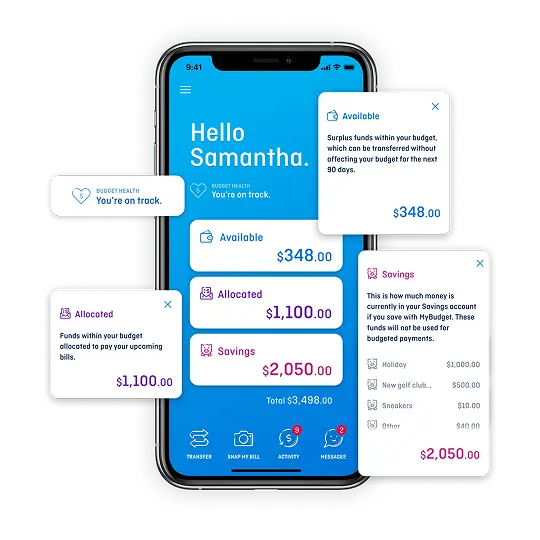
Our Buy Now Pay Later support can help you organise your repayments, bills and everyday expenses within one personalised budget.
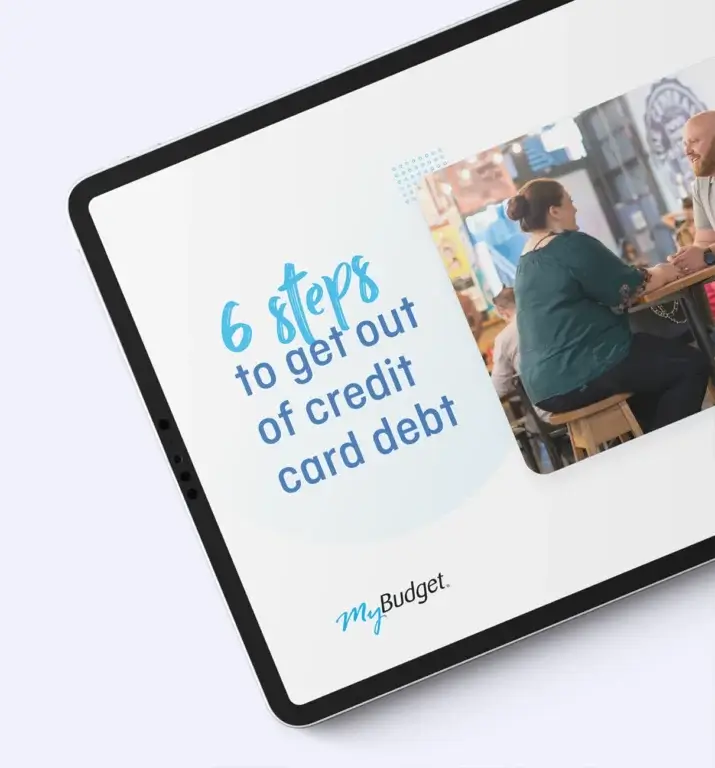
If credit cards are part of the picture, download our free 6 Steps to Eliminate Credit Card Debt ebook. It is a practical starting point for understanding what you owe and planning your next steps.
92.6% of surveyed MyBudget clients reported feeling significantly less financially stressed since joining.
MyBudget | Financial Wellbeing Report 2026
Take the pressure off your next payday
If payday feels more like money passing through than money you get to live on, let’s look at what’s taking it and what needs to change.
At your free MyBudget appointment, we’ll build a personalised 12-month budget around your income, bills, debts and goals. You’ll see what your money needs to cover and have a clear plan to take home, free, with no obligation to join. If you choose ongoing support, we’ll explain the fees upfront.
With ongoing support, our team and budgeting technology help manage the plan with you, while you stay in control of your money.
You do not need to have it all figured out before you call. We’ll help you understand where to begin and work through it together.

It starts with a plan for your money
A simple budget can cover bills, build savings and ease payday pressure.
This article has been prepared for information purposes only, and does not constitute personal financial advice. The information has been prepared without taking into account your personal objectives, financial situation or needs. Before acting on any information in this article you should consider the appropriateness of the information having regard to your objectives, financial situation and needs.
What is the main difference between interest-free finance and BNPL?
Interest-free finance usually uses a credit or store card with a promotional period. BNPL usually splits a purchase into scheduled instalments. Both are forms of credit.
Is Buy Now Pay Later regulated credit in Australia?
Yes. Since 10 June 2025, BNPL contracts have been covered by Australia’s consumer credit laws, with licensing and responsible lending obligations applying to providers.
Can interest-free finance still cost money?
Yes. Establishment, account, annual or late fees may apply, and interest can apply to a balance that remains after the promotional period.
Is BNPL the same as lay-by?
No. A retailer holds the goods under lay-by until payment is complete. With BNPL, the buyer receives the goods first and repays the credit afterwards.
Which costs less, interest-free finance or BNPL?
Neither option is always cheaper. Compare the purchase price, all fees, any interest, the repayment dates and the total amount you will repay.
What should I do if repayments are becoming unmanageable?
Contact the credit provider early about hardship support, list every balance and due date, protect essential living expenses and pause new borrowing while you make a realistic plan. <!--
What is interest-free finance?
Interest-free finance in Australia lets you buy goods or services now and repay them during an advertised period without interest on the eligible purchase. It is commonly offered for appliances, furniture and other larger expenses, often through a credit or store card. The retailer may help with the application, but a separate credit provider usually supplies the finance. Account fees and other charges can still apply during the interest-free period. That big “0%” on the sign is doing a very specific job: talking about interest.
How much do you need to repay before the interest-free period ends?
For interest-free payment plans, divide the purchase balance by the number of repayments left before the offer expires, then allow for fees. The lender’s minimum payment may keep your account up to date without clearing the purchase before interest starts. With interest-free appliance financing, a $1,200 purchase over 12 monthly payments needs $100 a month towards the purchase, plus any fees. If you paid only $50 a month towards it, you would still owe $600 after 12 payments, before fees or interest.
How do you decide which option fits your budget?
Check whether every repayment fits alongside your existing bills, essential spending and other debts. Then leave a little room for real life. A plan that depends on no surprise expenses is asking a lot of your car, your teeth and the school newsletter. Saving first may avoid borrowing costs altogether. 2. Write down the full cost Include fees and the interest rate that could apply later. 3.
When should you pause before taking on more credit?
Pause when a new repayment would leave too little for essentials or when you need more credit to cover existing repayments. That is a sign to look at the whole budget before adding another commitment. If you’re using BNPL for groceries or moving repayments onto a credit card, you may simply be trying to get through the week. When costs climb and there’s no buffer, the choices can feel pretty limited. There’s no judgement here. Let’s look at what would help you get some breathing room.
What can you do if repayments are becoming unmanageable?
Contact your credit provider early and ask about financial-hardship assistance. Then list your balances and due dates so you can plan repayments alongside essential living costs. Our guide to what to do when you can’t pay your bills walks you through what to prioritise and how to ask for help. That first conversation can feel awkward. You can keep it simple: “I’m having trouble meeting my repayments. What hardship support is available?” You don’t need a perfectly prepared speech.
How can I take the pressure off my next payday?
If payday feels more like money passing through than money you get to live on, let’s look at what’s taking it and what needs to change. At your free MyBudget appointment, we’ll build a personalised 12-month budget around your income, bills, debts and goals. You’ll see what your money needs to cover and have a clear plan to take home, free, with no obligation to join. If you choose ongoing support, we’ll explain the fees upfront.
Images on This Page
-
https://www.mybudget.com.au/wp-content/uploads/2025/11/customer-support.png
Call Desk Profile Picture
-
https://www.mybudget.com.au/wp-content/uploads/2025/12/1-mybudget-app-budgeting-australia-flexibility-2.webp
The MyBudget app demonstrating flexible budget planning and debt management features for Australians to reach financial goals.
-
https://www.mybudget.com.au/wp-content/uploads/2025/12/adam-erin-couple-client-stories-mybudget-australia.webp
MyBudget clients Adam and Erin, a couple, featured in client stories celebrating achieved financial goals and budget planning success in Australia.
-
https://www.mybudget.com.au/wp-content/uploads/2025/10/tammy-tips.png
Tammy Barton, Founder and Director of MyBudget, giving her financial tips.
-
https://www.mybudget.com.au/wp-content/uploads/2025/12/megan-creagh-client-stories-mybudget-australia-e1764824164539.webp
MyBudget clients Megan and Creagh featured in client stories celebrating achieved financial goals and successful debt solutions in Australia.
-
https://www.mybudget.com.au/wp-content/uploads/2025/11/tammy-podcast-intro.png
Tammy Barton, Founder and Director of MyBudget, introducing a podcast on budgeting help and achieving financial goals for Australians.
-
https://www.mybudget.com.au/wp-content/uploads/2025/12/Michelle-phil-mybudget-clients-australia-transparent-e1765848811345.png
A happy couple, Michelle and Phil, clients of MyBudget Australia, are captured mid-high-five, celebrating their financial success and effective budgeting. The man looks surprised and excited, while the woman is smiling broadly, highlighting the positive results of using MyBudget services to achieve their financial goals in Australia. This image represents the satisfaction and relief of managing personal finances effectively.
-
https://www.mybudget.com.au/wp-content/uploads/2025/02/Erin-and-adam-mybudget-clients-reviewing-subscriptions-768x512.jpg
Erin and Adam, MyBudget clients having a coffee together at the kitchen table reviewing their budget
-
https://www.mybudget.com.au/wp-content/uploads/2025/04/adam-erin-mybudget-MyMoney-MyStory-Podcast-blog.png
MyBudget clients, Erin & Adam
-
https://www.mybudget.com.au/wp-content/uploads/2025/11/erin-adam-clients-mybudget-asutralia-bills-success.webp
MyBudget clients Erin and Adam celebrating success after using budget planning for bills and achieving financial goals in Australia.
-
https://www.mybudget.com.au/wp-content/uploads/2025/04/megan-and-creagh-paid-off-debt-faster-with-mybudget-scaled-1-768x512.jpg
MyBudget clients, Megan & Creagh found debt solutions that helped them get back on track and start saving.
-
https://www.mybudget.com.au/wp-content/uploads/2025/11/mybudgets-ultimate-guide-to-christmas-shopping-on-a-budget-australia-768x512.webp
(no alt text)
-
https://www.mybudget.com.au/wp-content/uploads/2025/11/6-steps-credit-card-debt-resource-mybudget-austalia-715x768.webp
MyBudget 6-step resource guiding Australians to get out of credit card debt with expert debt solutions.
-
https://www.mybudget.com.au/wp-content/uploads/2025/11/call-to-action-image.jpg
Call-to-action image encouraging Australians to seek MyBudget for expert debt solutions and financial coaching.
-
https://www.mybudget.com.au/wp-content/uploads/2025/09/mybudget-trustpilot-australia.webp
Trust Pilot
-
https://www.mybudget.com.au/wp-content/uploads/2025/09/ProductReview-mybudget-reviews-white.png
Product Review
-
https://www.mybudget.com.au/wp-content/uploads/2025/10/Google-mybudget-reviews-white.png
(no alt text)
-
https://www.mybudget.com.au/wp-content/uploads/2025/10/mybudget-app-store.png
(no alt text)
-
https://www.mybudget.com.au/wp-content/uploads/2025/10/my-budget-google-play.png
(no alt text)